





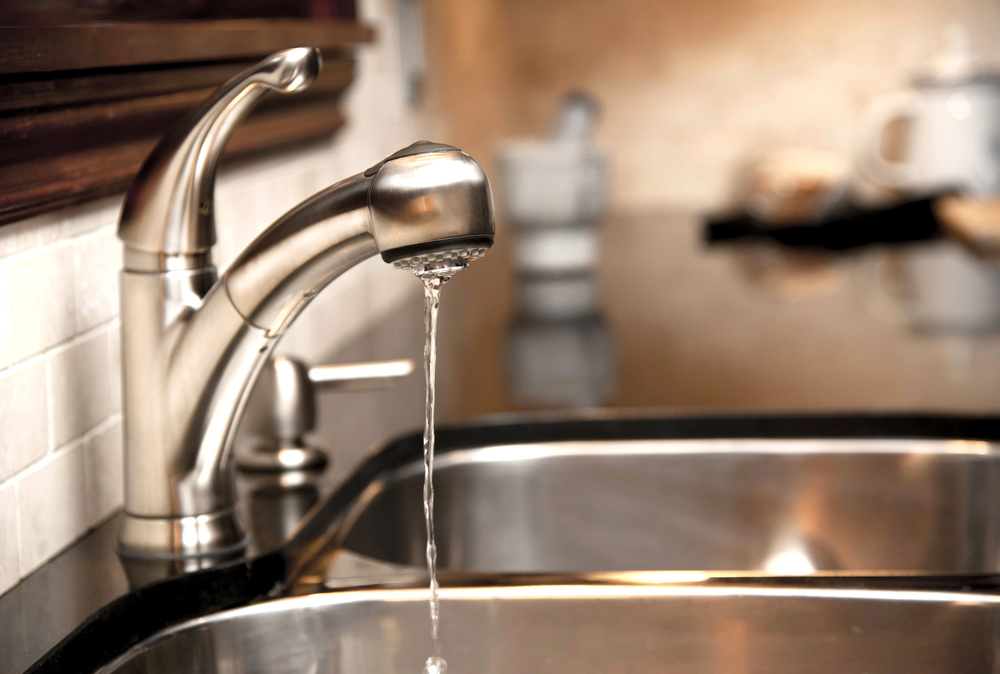
Low water pressure can turn a pleasant shower into a trickle and disrupt everyday tasks that rely on a steady flow. Varying flow may come from simple blockages or larger issues with supply lines and controls that sit out of sight.
Homeowners often point to a single tap yet the root cause may live inside walls pipes meters or at the street. Knowing five common causes helps narrow the hunt and makes it easier to fix the problem without wasting time or money.
1. Clogged Pipes And Mineral Buildup
Mineral deposits collect over time in areas with hard water and they reduce the effective diameter of pipes leading to sluggish flow at taps. Scale forms inside hot water systems and fixtures and can create partial blockages that slowly choke off performance rather than cutting it suddenly.
Small sediments and rust flakes from older systems join with scale to make things worse and create uneven pressure throughout a house, which is why many homeowners reach out to local plumbing services in Brisbane when basic fixture cleaning fails to restore proper flow.
Small sediments and rust flakes from older systems join with scale to make things worse and create uneven pressure throughout a house. A plumber can inspect and use mechanical cleaning or chemical descalers on accessible sections while homeowners can fit simple filters or softening devices to reduce future buildup.
Showerheads and aerators often tell the story when their screens trap debris and show reduced spray patterns before whole house pipes are clearly affected. Cleaning those fixtures is low effort and usually gives immediate relief which surprises many people who regain usable flow after a quick descaling.
Where scale has migrated deeper into the system the remedy may require targeted flushing that forces deposits downstream into traps or the sewer line. Routine flushing combined with a water softener cuts down further growth and prevents recurring buildup that slowly eats away at performance.
2. Faulty Pressure Regulator Or Pressure Reducing Valve
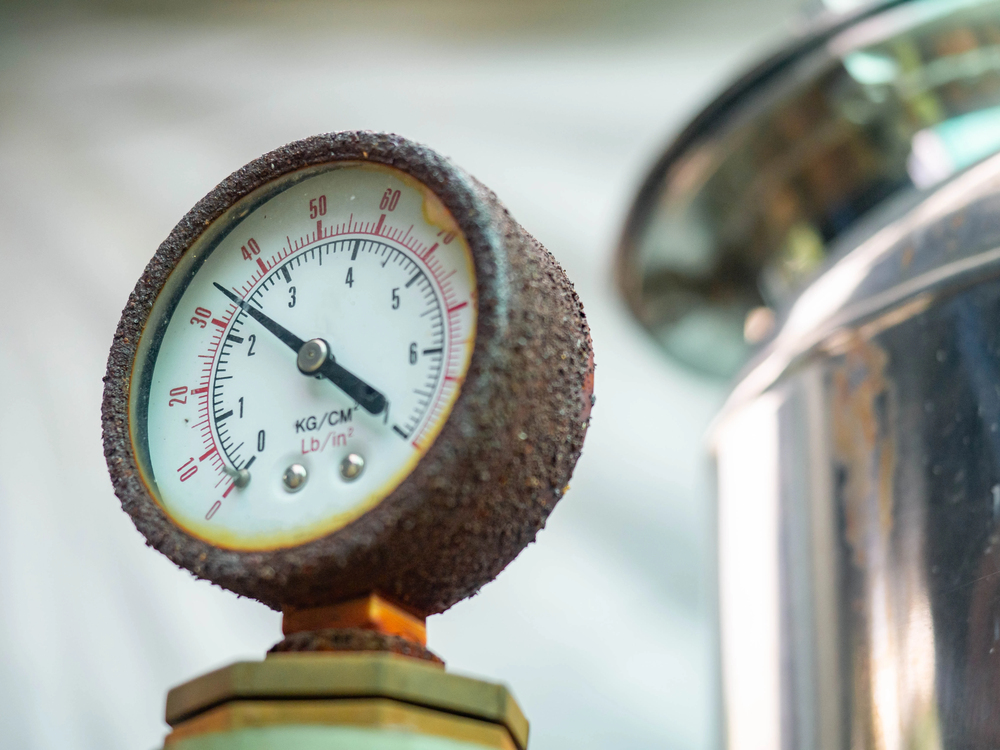
Many homes have a pressure regulator at the point where the supply meets the property and that device keeps pressures in a safe range for plumbing fixtures. When the regulator wears out or its spring weakens the device may sit in a partially closed position and limit flow even though the source pressure remains adequate.
Symptoms include strong pressure at odd times and weak pressure at others or a mismatch between cold and hot supply performance in different areas. Testing the regulator with a gauge and swapping it out for a known good unit is often faster than fighting an invisible throat inside the system.
Homes that use private wells rely on pressure tanks and controls that act in place of a municipal regulator and those parts can fail as seals age or the air charge drops. A tank with low air reduces the effective buffer it provides and forces the pump to cycle more often while still leaving fixtures starved for flow.
Inspecting the tank and checking the pressure switch can reveal wear signs that match the pressure complaints at taps. Replacing worn regulators or recharging a tank restores consistent pressure and often brings normal function back without replacing large sections of pipe.
3. Undetected Leaks In The Plumbing System
A hidden leak steals water and pressure at the same time and the loss may be gradual enough to go unnoticed until symptoms escalate. Floor stains wet spots or a mysteriously high water bill are common hints that flow is being diverted away from fixtures you expect to serve.
Small cracks in pipe joints or hairline fractures in older materials can cause long term seepage that slowly chips away at performance. Locating the leak with pressure tests and meters narrows the search and modern acoustic tools or tracer dyes can find the offender without tearing out walls at random.
Repair approaches vary from tightening fittings to replacing runs of pipe and the scope determines the time and cost involved in restoring full flow. Water under pressure finds the path of least resistance and a modest weep can have an outsized impact on shower heads and second floor taps.
Once fixed the system often snaps back quickly and pressure returns to a healthy level if no other issues remain hidden. A stitch in time saves nine applies here as early detection keeps repairs small and prevents structural damage from extended leaks.
4. Municipal Supply Issues Or Low Main Pressure
Local utilities run complex networks and maintenance work or bursts in mains can cut available pressure to entire neighborhoods for hours or even days. Low main pressure down the street means the pressure at your meter cannot exceed the supply and the result is weak flow no matter what is done inside the house.
Meter valves and street side shut offs can also be partly closed or obstructed by debris introduced during repairs and give the impression of a household problem. Contacting the water provider and checking for planned work or active incidents is a useful step before starting expensive in house fixes.
When utilities change distribution patterns peak demand times increase pressure loss and you will observe reduced flow during morning or evening peaks. Installing a booster pump is a common workaround for persistent low supply but the solution requires permission in some areas and careful sizing that matches daily peaks.
A pressure gauge at the meter shows whether the issue sits inside the property or upstream with the main and that simple measurement cuts through a lot of guess work. Coordinating with the water company and taking a measured approach avoids wasted expense and keeps permanent upgrades proportionate to actual need.
5. Old Or Narrow Pipes And Corrosion
Homes built many decades ago often used materials and pipe dimensions that do not match modern expectations for flow and contemporary appliances draw more than older networks were asked to supply. Galvanized steel and iron succumb to corrosion and internal pitting reduces bore size while creating rough surfaces that slow flow and collect scale.
A pipe that looks sound on the outside can be a shadow of its former self inside where rust chips break free and drift toward fixtures. Upgrading to copper or modern plastics clears the way for higher flow and brings long term peace of mind for water quality and performance.
Replacing piping is disruptive and homeowners often stage the work by addressing the worst runs first and monitoring how the whole system responds. Partial replacements can restore usable pressure in key areas like kitchens and bathrooms while giving time to plan broader renovations that match budget and lifestyle.
When planning such projects it helps to map pipe sizes and routes so tradespeople can propose sensible options rather than guess at what will fix the trouble. A measured upgrade reduces recurring headaches and makes everyday tasks feel smooth again making running a bath or watering a garden no longer an uphill battle.