





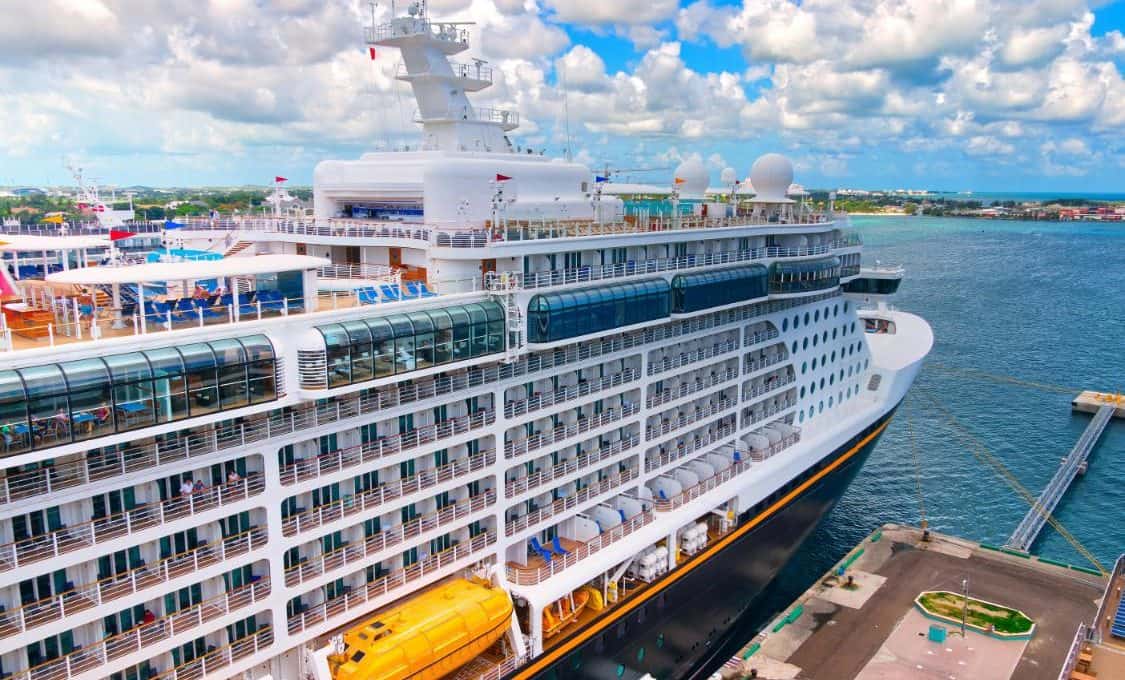
Cruise travel has seen a sharp rise in appeal, drawing people from different walks of life to sea based vacations. Modern ships blend comfort with a surprising range of options, so a single ticket often covers lodging, meals and many onboard activities.
Travelers enjoy hopping from port to port without repacking every day, and that low friction style of travel fits many schedules. A mix of affordability, variety and convenience keeps the sector busy and worthy of a closer look.
If you’re considering routes in Asia, Singapore cruise trips are an excellent example of how easy and streamlined modern cruising has become.
Value For Money
A cruise ticket bundles lodging, food and entertainment so passengers can budget with fewer moving parts, and that clarity makes planning simple. Promotions and last minute fare shifts often make ocean trips feel like a bargain when compared with booking hotels and separate transport.
For families and groups the economies of scale can hit the jackpot, with kids fares and cabin sharing cutting per person cost. Many travelers weigh price against ease and pick the option that gives more within a single purchase.
Ease And Convenience
Boarding a ship reduces the daily grind of packing up and shifting hotels, and that rhythm appeals to people craving less hassle. It is possible to wake up in a new place without the work that usually comes with a new location, and the logistics stay mostly in the background.
Airports and long drives can be swapped for a steady sea motion and a stable room that follows you from port to port. When time is short, this kind of travel condenses movement and leisure into a manageable block.
Multiple Destinations In One Trip
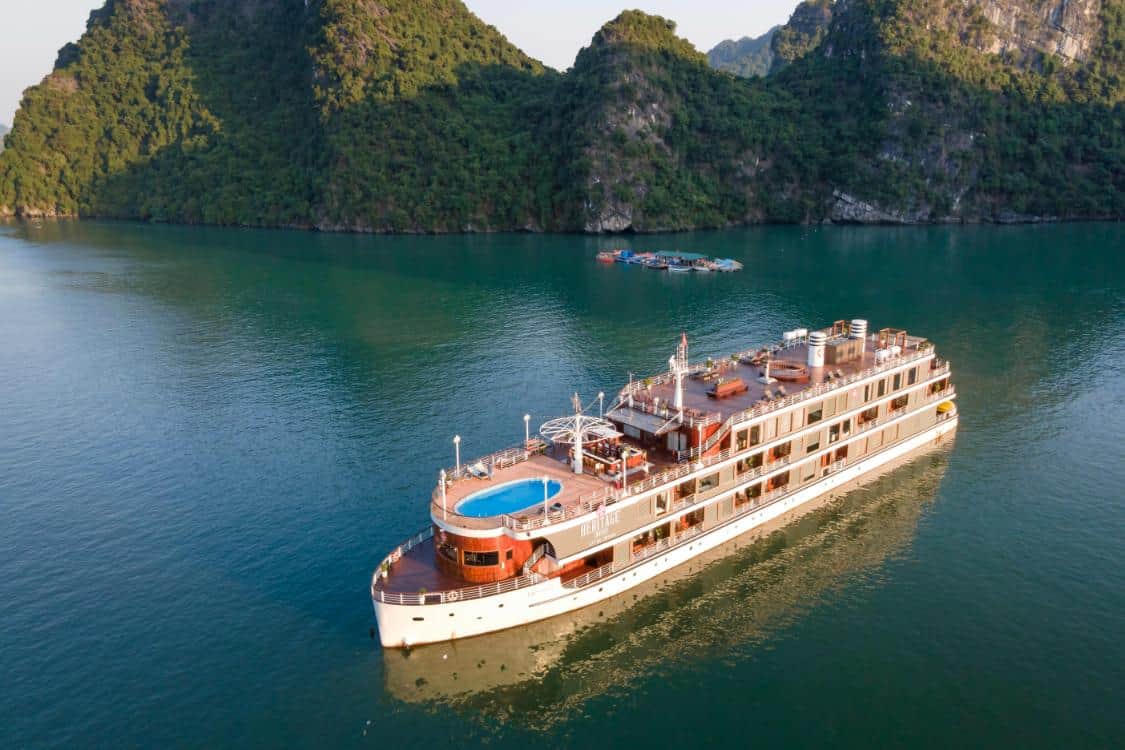
A single cruise can link several ports, creating a chain of short stays that feel like a menu of mini visits. Guests step off for a few hours or a day, see a city or a stretch of coast, then return to familiar surroundings onboard.
That pattern gives variety without constant rebooking or long land transfers, and it fits people who want to tick boxes without the hassle. Ports act as brief windows into different cultures while the ship handles the big transitions.
Diverse On Board Entertainment
Ships today offer wide choices of shows, music and film that rival land based venues, and passengers can pick an evening to match their mood. From big production shows to quieter lounges, the contrasts are strong and often change night by night.
Activity schedules let people opt out or jump in, so time is personal and flexible rather than fixed. That range helps groups with mixed tastes travel together and still have fun.
Food And Dining For Every Taste
Dining options have expanded beyond the old set menu to include specialty restaurants, casual buffets and themed nights that keep meals interesting. Chefs and menus often rotate, giving repeat guests something fresh to look forward to on each sailing.
For people who love to eat their way through a holiday, the variety can be a major draw and a pleasant surprise. The ease of having multiple courses and service without hunting down restaurants on land is hard to beat.
Wellness And Safety Practices
After a period of heightened concern about health, many lines bolstered cleaning and medical services, and that has reassured passengers who want to travel with fewer unknowns. Onboard medical centers and screening protocols add a layer of predictability that some travelers value highly.
Pools, gyms and spa options also let guests follow wellness routines while away from home, which keeps habits intact. Peace of mind and routine are two reasons people return to cruising again and again.
Social Life And Community Feel
A ship can foster a compact sense of community where people meet fellow travelers in bars, classes and group outings, forming quick friendships that can last a trip or more. For solo travelers it can be easier to strike up a conversation at a table or during an activity than it might be in a hotel district.
Events like trivia nights and group shore trips act as social glue, and many guests return to the same line because they enjoy the familiar crowd mix. That human element often turns a one time idea into a repeat habit.
Flexible Pricing And Deals
Promotional windows, cabin upgrades and bundled extras create a sense of flexibility that draws budget aware and luxury seekers alike. Some travelers watch fares and pounce when prices dip, while others bundle flights and shore excursions for convenience.
Loyalty programs add another economic layer, rewarding return guests with perks that feel earned and useful. The result is a market where different spending patterns can find a workable option.
Tech Friendly Experience
Modern ships have leaned into connectivity with apps for onboard payments, activity booking and cabin controls, and technology smooths many small frictions. Guests can plan a day, reserve a table or check shore excursion space from a phone, which mirrors habits they use on land.
That level of control appeals to travelers who like to manage details without chasing staff or filling out paper forms. Wi Fi options and streaming choices mean people can keep in touch or unwind with familiar media.
Economic And Local Impact
Cruise calls bring business to port towns that range from small harbors to major cities, and local vendors often see a clear uptick in foot traffic on docking days. That inflow supports shops, guides and restaurants which plan around ship schedules, and many communities set up markets and services to welcome visitors.
Critics raise questions about concentration and sustainability, while others point to steady income for workers who rely on seasonal peaks. The balance between benefit and strain is a topic that keeps the conversation going in port areas and policy circles.