



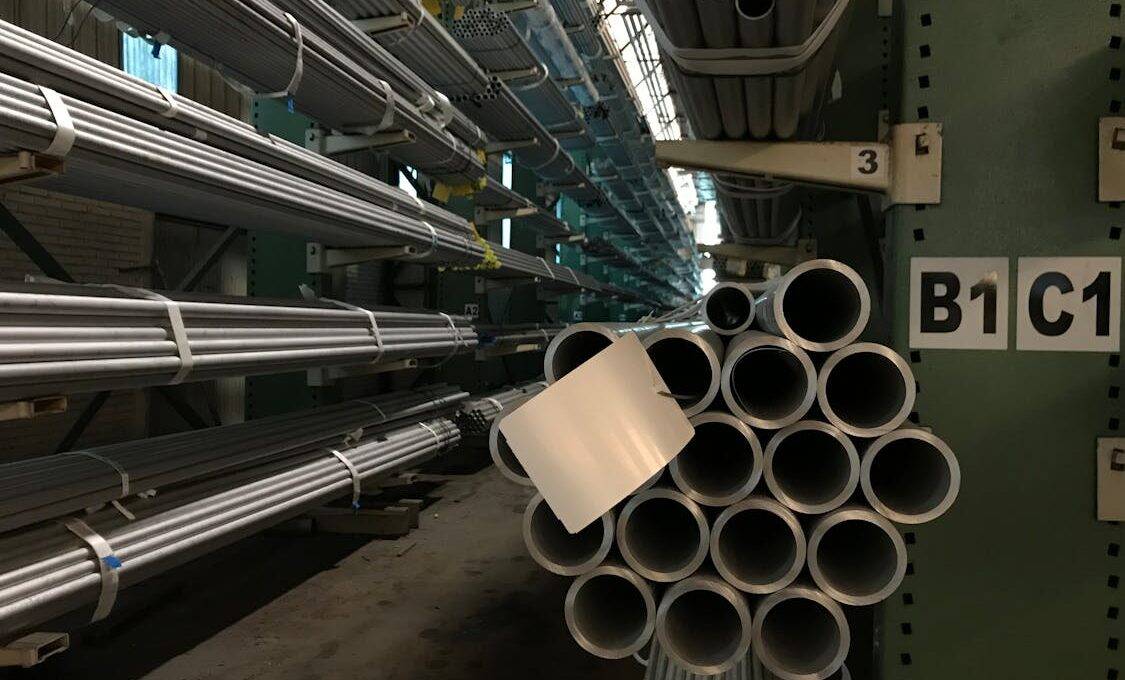
Industrial steel pipe systems underpin factories plants and infrastructure networks in many sectors. A variety of steel grades meet a broad spectrum of needs from low pressure supply lines to ultra high temperature process headers.
Choosing the right material requires attention to strength toughness corrosion resistance and long term cost of ownership. The following sections outline common materials production paths protective measures and where each type tends to perform best.
Types Of Industrial Steel Pipes
Industrial pipe work uses a broad palette of steel types chosen to match pressure temperature and environmental demands. Carbon stainless and alloy steels form the main families with each offering a different mix of mechanical strength ductility and corrosion resistance.
Production routes and finish options add further variation with seamless welded and lined products available for a range of diameters and wall thicknesses. Practical selection weighs field conditions expected service life and the cost of inspection and repair over time.
Carbon Steel Pipes And Their Uses
Carbon steel varieties remain widespread because they offer reliable mechanical behavior at a competitive price point for many services. Low carbon steels provide good weldability while higher carbon content and heat treatment boost strength for demanding structural or pressure roles.
These pipes are common in water transmission distribution mains and process lines that do not carry highly corrosive media. To slow external corrosion engineers often apply coatings wraps or cathodic protection and schedule periodic inspection.
Stainless Steel Pipes In Corrosive Environments
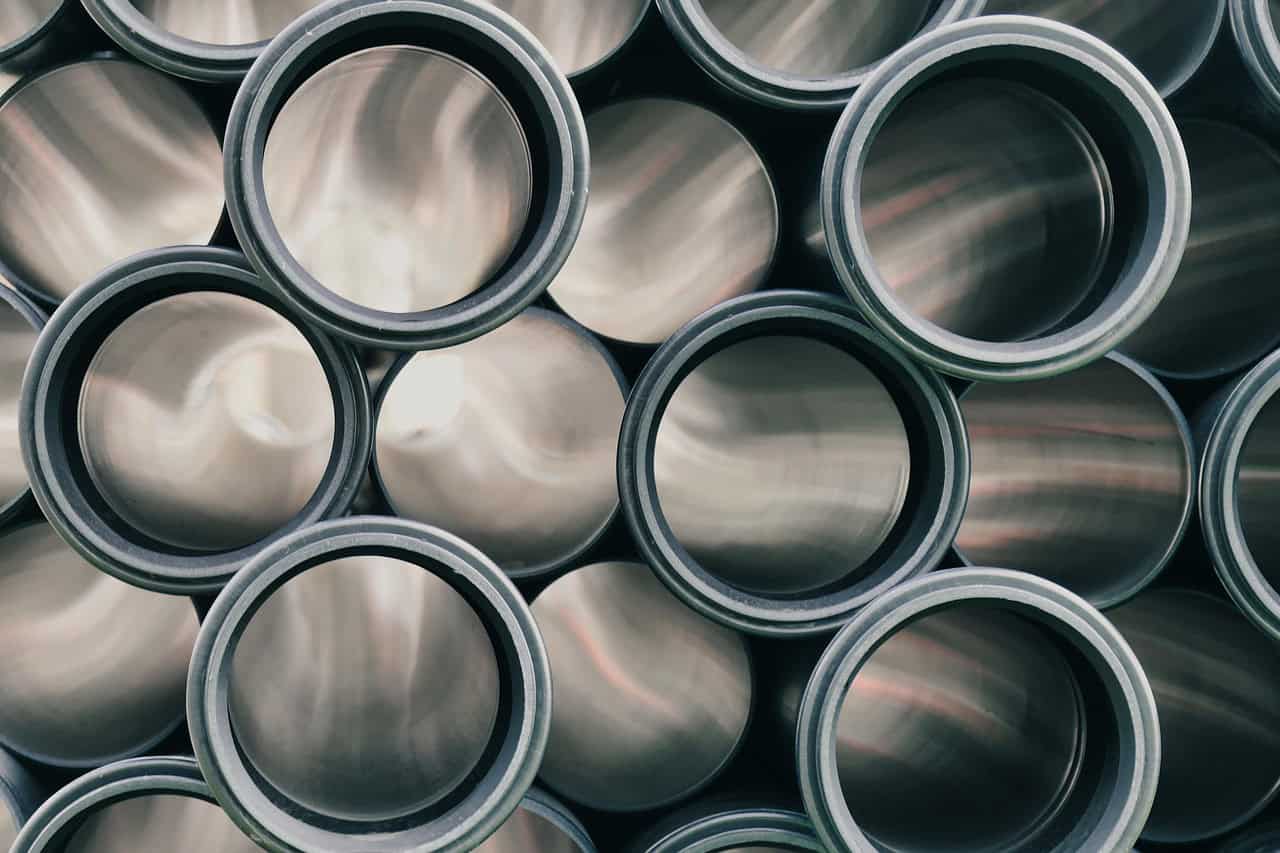
Stainless steels are prized where chemical attack hygiene or long life are priorities and where frequent maintenance would be costly. Variations in chromium nickel and molybdenum content tailor resistance to pitting crevice attack and general corrosion in chloride rich or acidic fluids.
Applications include food and beverage plants pharmaceutical lines and seawater systems where cleanliness and durability matter. Fabrication and welding need careful control to avoid contamination and to retain the alloy benefits at welded joints.
Alloy Steel For High Performance Applications
Alloy steels carry alloying elements that raise creep strength and impact resistance making them suitable for high temperature and high stress duties. Common additions such as chromium molybdenum vanadium and nickel help pipes withstand thermal cycles and mechanical fatigue found in power generation and heavy process equipment.
Suppliers often specify post weld heat treatment and detailed inspection to secure predictable service life under strenuous conditions. When ordinary carbon steels would suffer rapid degradation alloys provide a pragmatic route to longer intervals between outages.
Some high temperature or chemically aggressive services combine alloy steels with 316L Stainless Steel Pipe for sections that face particularly harsh corrosion risks.
Galvanized And Coated Pipe Options
External and internal protective systems extend useful life for buried and exposed piping where moisture and salts accelerate metal loss. Hot dipped zinc coatings slow corrosion while polymer based internal linings reduce abrasion and chemical attack on the bore.
Selection of the coating depends on soil chemistry exposure pattern and the repair options that crews have on site. A well chosen barrier combined with monitoring can defer replacement and cut lifecycle cost for many pipeline assets.
Seamless Versus Welded Pipes
Seamless pipe begins life as a solid billet that is pierced and elongated to form a continuous tube with uniform properties around the circumference. Welded pipe is formed from plate or strip and joined along a seam which allows efficient manufacture of large diameter lengths and special profiles.
Each method produces differences in residual stress geometry dimensional tolerances and inspection focus during fabrication and fit up. For critical services extra nondestructive testing and traceable procedures often determine the preferred production route.
Line Pipe For Oil And Gas
Pipelines in oil and gas transmission face cyclic internal pressure external loads and threats from corrosion and mechanical damage along long routes. Industry specifications set detailed chemical mechanical and testing criteria to control toughness weld quality and allowable defects for safe operation.
Internal coatings external wraps and cathodic protection form the main lines of defense against corrosion while inline inspection tools track wall loss and deformation. The combination of material choice welding practice and routine monitoring shapes risk and long term cost for miles of transmission pipe.
Pipes For Water And Sewage Systems
Water and sewer networks call for materials that resist chemical attack prevent leakage and tolerate ground movement during and after installation. Toughness and ductility reduce the chance of brittle fracture while internal linings limit scaling corrosion and biological growth that lead to blockages.
In deeper buried mains selection also reflects external load from soil and traffic along with the local groundwater chemistry. Easy access for repair and simple jointing methods can lower lifecycle expense and speed emergency response.
Pipes In Power Generation And Chemical Plants
In steam and process plant service pipes must cope with high temperatures corrosive fluids and rapid thermal cycles without losing dimensional stability. Materials for headers reheater and superheater lines are selected for creep strength and oxidation resistance under hours of elevated temperature exposure.
Chemical plant pipelines often handle corrosive reagents oxidizers and solvents requiring careful alloy choice and validated weld procedures. Planned maintenance windows and spare parts logistics influence material decisions since plant downtime carries a premium cost.
Manufacturing Methods And Quality Control
Shaping routes such as rolling forging drawing and extrusion impart distinct grain flow and mechanical attributes that matter for pressure containing parts. Heat treatment surface finishing and mechanical straightening adjust final properties while nondestructive tests and metallography verify that the product meets specification.
Traceability from melt to finished length remains essential for matching material certificates with in service performance and for any failure analysis. National and international standards define acceptance limits and testing protocols that mills and purchasers use as a common language.
Corrosion Management And Maintenance
Controlling corrosion blends material selection protective systems and an inspection regime tuned to the service environment and risk tolerance. Monitoring can include corrosion coupons probes inline inspection pigs and direct examination to detect early metal loss or coating failure.
Repair options range from local patching and sleeving to full section replacement and internal relining each approach has trade offs in cost downtime and residual strength. A program that mixes regular checks with timely intervention often keeps systems operating well beyond their manufacture date while saving money over reactive repair.