






Skipping a pet care plan can seem like a small way to tighten the household budget, a simple cut that feels painless at first. That quiet saving often explodes into a loud bill when a routine issue escalates into an urgent visit that involves tests, treatment and sometimes overnight monitoring.
Pets are expert at hiding pain and illness, so what looks minor one week can demand costly intervention by the next billing cycle. Choosing a plan early spreads costs, smooths cash flow and gives owners a steady rhythm for care instead of surprise spikes that unsettle both pocket and peace of mind.
Immediate Medical Bills Can Shock You
An unexpected trip to the veterinary clinic can deliver a bill that shocks even careful families, with line items for diagnostics, imaging and specialist time that pile up quickly. Emergency X rays and blood panels often reveal problems that need immediate attention, which raises the price tag before owners have a chance to plan.
A pet health care plan is designed to help owners manage the ongoing cost of routine veterinary care, covering essentials like vaccinations, health checks, and parasite treatments. It encourages regular vet visits and supports early detection of issues, helping pets stay healthier for longer.
Chronic Conditions Grow Without Checks
Chronic issues such as arthritis, kidney dysfunction and dental decay develop slowly and quietly, yet they become costly when left untreated over long stretches. Regular exams and screening tests pick up small shifts in blood numbers or weight that suggest early intervention, which keeps treatment less invasive and less costly.
If routine monitoring is skipped those conditions progress and demand ongoing prescriptions, specialty consults and more frequent visits that compound expense. Over the lifespan of a pet small investments in surveillance add up to real savings by avoiding large scale interventions later.
Preventive Visits Trim Future Expenses
Routine wellness visits catch early signs like excess plaque, abnormal lumps or creeping weight gain that might otherwise be missed between crises. Vaccines and parasite control appear as steady charges, but they block routes that can lead to much bigger problems and much higher bills down the road.
Timing exams by life stage means tests focus on the most likely risks for puppies, adult animals and seniors, keeping care relevant and efficient. A stitch in time saves nine proves useful here when small fixes stop bigger surgery bills from appearing.
Medication And Follow Up Add Up Fast
A single prescription can turn into a standing monthly cost that erodes a budget more than expected, and many drugs require lab monitoring or follow up that demands additional appointments. Dose adjustments, therapeutic drug monitoring and supply refills all create repeat costs that a one off payment does not reflect.
A pet care plan often bundles routine checks, gives pricing advantages on medications and narrows the need for separate charges to a series of planned visits. Owners who skip those bundles see repeated bills that accumulate in a season and create unpleasant financial surprises.
Emergency Care Often Carries Surprise Fees
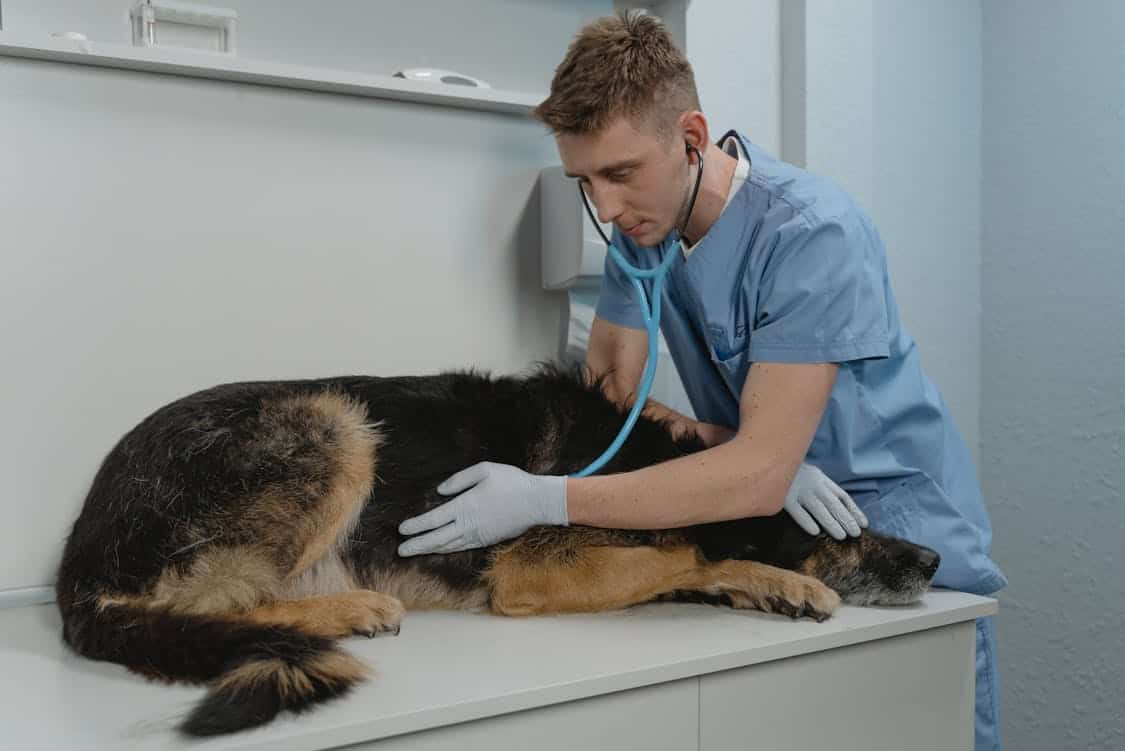
Night time or holiday visits commonly include premium or after hours charges that catch owners off guard and inflate an already worrying bill. Use of anesthesia, specialist consults and overnight observation routinely transform one cost into multiple line items on the final invoice.
Separate fees for imaging, lab time and technician procedures make a single incident resemble a parade of charges rather than one event. A predictable payment plan shifts much of that volatility into steady installments and negotiated rates that reduce the sting of surprises.
Insurance And Coverage Gaps Hurt Wallets
Not every incident meets an insurer threshold and many policies exclude what they call pre existing conditions, which forces owners to carry the whole cost when a claim is denied. Claims can take time to process and denied items leave a family with a large tab and work to manage the paperwork that follows.
A pet care plan from a clinic often fills gaps by covering routine needs and lower level services that typical insurance policies skip. Holding both an insurance policy and a care plan limits the chance that a single event will empty a month of savings.
Stress And Lost Time Affect Owners Too
An unpaid invoice is not the only cost recorded in the ledger of pet health; the hours spent arranging emergency visits, juggling work and waiting on calls create a less visible drain. Time away from paid employment or from family events to handle a clinic stay can ripple into lost wages and missed opportunities that do not show up on a simple receipt.
Mental strain, guilt about missed prevention steps and the distraction of constant appointments reduce quality of life in ways that are hard to measure. A steady plan reduces that load by cutting surprise chores and giving owners predictable windows to handle care.
Poor Records Lead To Repeated Treatment
Skipping scheduled visits often creates gaps in a pet medical history that complicate future care and prompt repeat testing to fill in missing data. When labs are repeated or a condition must be reassessed because of unclear notes the total bill climbs without adding new value to treatment.
Continuous coverage keeps immunizations current, tracks trends and hands new clinicians a full picture so they can make focused choices. Fewer redundant tests and clearer history translate into both lower cost and less hassle at each subsequent visit.
Small Problems Can Turn Into Big Ones
A minor dental issue left unattended can spread into deeper infection that affects internal organs and requires far more complex therapy than a single extraction. What looks like a short lived limp may indicate progressive joint damage that responds best to early intervention and conservative care.
Regular exams catch these shifts early so treatment can remain less invasive and therefore less costly for a longer stretch of life. Neglect here is truly penny wise, pound foolish when a small cost balloons into a major bill and a longer recovery.
A Plan Offers Predictable Monthly Costs
Budgeting becomes easier when pet care is a steady monthly item rather than a volatile tally of emergency charges that arrive without warning. Many plans include discounts on procedures, vaccination bundles and routine grooming that add up across a year and smooth expense peaks.
Predictable payments let owners set aside extra funds for special treatments with less stress and fewer sudden demands on savings. Think of it as swapping a cliff jump into a steady trail that delivers fewer shocks to both pocket and heart.