





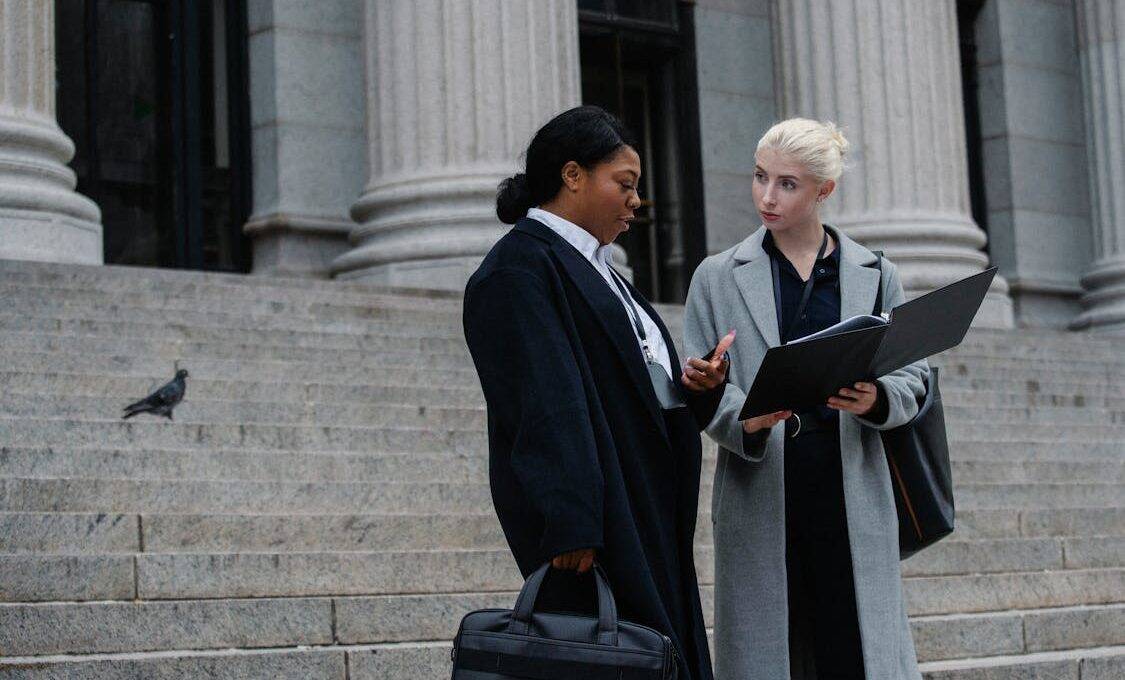
Facing a criminal charge can feel like entering a place where rules are in small print and pressure is constant. A good lawyer stands with a client to defend rights and to push back when state power overreaches.
They work to spot soft spots in the case against an accused person, using motion practice, witness work, and argument to shape what the jury will see and hear. The aim is to keep the contest fair and focused on the facts that matter, while keeping the client guided and calm.
1. Preserving Constitutional Rights
Skilled defense counsel patrols the border where police work meets civil liberties, raising objections when searches, stops, or interrogations stray across legal lines. By pressing claims tied to the exclusionary rule, a lawyer can have improperly gathered items removed from the record so a jury never sees them.
That work often turns on careful factual combing and motion filings that ask a judge to weigh law against the way agents actually acted. When successful, those efforts protect the presumption that an accused person starts with a fair shake rather than a strike against them.
Counsel also protects the right to counsel and the right to remain silent, making sure that any waiver of these rights was clear and voluntary. If police did not give proper warnings or used high pressure to get a statement, a lawyer will seek to block that evidence from the state case.
The presence of timely, articulated objections preserves issues that can be raised later on appeal and prevents unfair tactics from standing unchallenged. In effect, good representation acts as a legal filter, keeping out items that would skew the proceeding.
2. Challenging Unlawful Evidence
Lawyers move to exclude evidence that lacks proper chain of custody or that was seized without lawful authority, asking judges to rule it inadmissible. They inspect lab reports, police reports, and witness notes to find gaps that undercut reliability, then present those gaps in hearings that test the state record.
By doing that, defense teams strip the state of claims that rest on shaky proof and reduce the number of asserted facts a jury must accept. The exercise of frequently used motions turns complex technical proof into a simpler picture for a judge to judge.
Discovery work plays a central role in this process, forcing the prosecution to share what it plans to use and to hand over materials that help test credibility. Defense lawyers read those files, look for patterns, and identify forensic work that does not meet basic standards or that depends on assumptions that cannot be proven.
A well timed motion to suppress or a targeted Daubert like challenge can remove key scientific assertions and leave the state with less to rely upon. That sort of trimming often changes plea posture, trial tactics, and the narrative that reaches the jury.
3. Strategic Cross Examination Of Witnesses
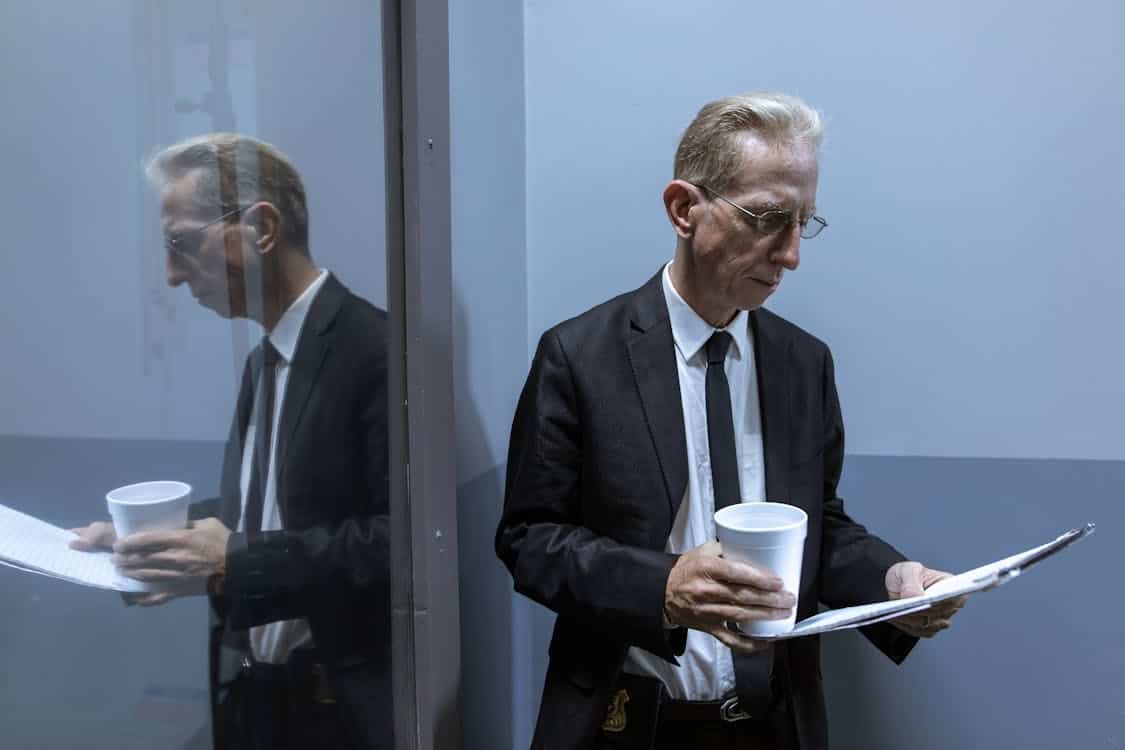
Cross examination is where a lawyer tries to show that a witness is uncertain, biased, or simply mistaken, using pointed questions that reveal inconsistencies. Counsel prepares a thread to pull, then asks short questions that force yes or no answers and highlight gaps in memory or motive.
If you’re facing serious criminal charges and need to weaken the testimony of key witnesses, find a leading criminal lawyer with expertise in crafting powerful cross-examinations that can create doubt in the minds of jurors.
Good cross work does not need to humiliate a witness to succeed; it needs to create doubt about the testimonial picture the jury was given. When a witness will not back up a serious charge under focused pressure, the case against the accused can lose weight in front of a fact finder.
Counsel also plans the order of witness presentation so that contradiction can be highlighted and themes can be reinforced without confusing a panel of jurors. They practice with clients so that on the stand a defendant can be clear, calm, and avoid offering extra material that hurts the defense.
Preparation means anticipating hostile moments and having short, clear responses ready that preserve credibility rather than erode it. Those tactics keep the spotlight on what can be proven beyond a reasonable doubt rather than on emotional color that draws attention away from the elements of the offense.
4. Crafting Persuasive Legal Arguments
Lawyers shape opening statements, mid trial motions, and closing remarks to build a coherent story that fits both law and fact, aiming to cut to the heart of the reasonable doubt standard. They use narrative devices that frame events in human terms while connecting each claim to elements the prosecution must prove.
Good counsel balances legal citations with plain language so jurors can follow why the state falls short on key pieces of proof. That blend of law and story often helps jurors carry a clear test back to deliberations when simple standards meet complicated events.
During trial a lawyer will also make targeted legal requests, such as asking for jury instructions that focus attention on what the state must show and on defenses that remove blame. These requests shape the legal lens through which jurors view testimony and exhibits, and they can remove common misconceptions that would otherwise tilt deliberations.
By arguing for precise instructions and for limiting language where necessary, counsel narrows the path to conviction and widens the space where doubt can live. The result is a sharper focus on what is legally required rather than on colorful but irrelevant detail.
5. Protecting Procedural Fairness
Defense attorneys watch the clock and the docket to guard rights linked to timing and to the conduct of the trial, filing motions where delays or secrecy could harm a case. They challenge improper communications between state actors and jurors, ask for voir dire that probes bias, and seek relief when outside events threaten impartiality.
Keeping the process open and contest fair means fighting for plain rules of evidence and for a jury that decides based on courtroom proof rather than rumor or passion. Those efforts maintain a field where facts can be tested under known rules rather than under ad hoc pressure.
A final part of procedural protection is preserving issues for later review by higher courts, making sure objections are clear and that records reflect what occurred at key moments. When a right is violated and the record shows timely objection, an appeal can pursue correction and, in some cases, can lead to a new trial or to reversal.
Defense counsel therefore documents statements, files motions, and argues points with an eye on both the present contest and on possible future relief. That dual view gives clients not only an advocate now but also a path forward if error tainted the outcome.