




Pipelines form the circulatory system of the oil and gas world, moving fluids from ground to market with steady predictability. The choice of pipe material, the way a pipe is joined and protected, and how it is inspected shape how a field performs over years and even decades.
Operators want reliability and cost control, yet they also face tough environments that test every link in the chain. A clear view of pipes and their practical demands helps explain why the right pipe makes a big difference in each phase of a project.
Materials And Grades
Steel remains the go to material for most major pipelines due to its strength and predictable behavior under pressure and temperature swings. Within steel there are many grades and chemistries that trade off toughness for yield strength or ease of welding, and choosing a grade is a design decision that touches cost and life span.
API 5L, a widely recognized standard for pipeline steel, ensures consistency and reliability in material properties, making it a preferred choice for many operators. Alternatives like stainless steel and certain polymers show up where corrosion or contamination risk is high, with polymers offering light weight and ease of handling on smaller runs.
Manufacturing Processes And Standards
Pipes start life as hot rolled or cold drawn metal that must meet tight dimensional tolerances and mechanical tests before sale. Processes such as seamless production and welded plate forming yield different microstructures and defect profiles that affect how pipes behave in service.
Standards from major classification bodies set the acceptance criteria for chemical makeup and mechanical limits and these documents steer design and procurement work on every project. Traceability from mill test reports to heat numbers helps engineers match pipe batches to field demands and to track performance over time.
Corrosion Control And Coatings
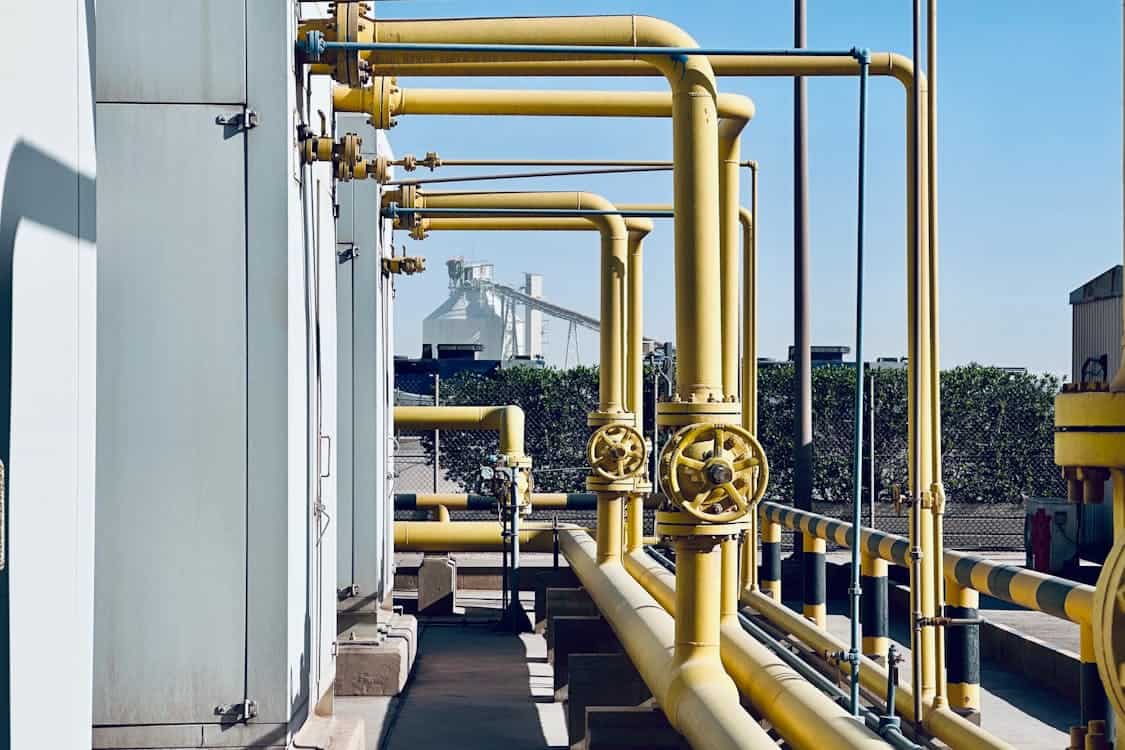
Corrosion is an enemy that can quietly reduce pipe wall thickness and lead to leaks if left unchecked, and so corrosion control often starts at the coating shop. External coatings act as the first line of defense, blocking moisture and stray currents, while cathodic protection systems add another layer by shifting electrochemical balance at the metal surface.
Internal corrosion control uses inhibitors and lining materials that slow attack from acidic or water laden fluids, and selection here depends heavily on the fluid chemistry and temperature. Good coating work and a sensible corrosion plan can stretch a pipeline life by many years and reduce surprises.
Welding Joining And Non Destructive Testing
How pipes are tied together has a direct effect on flow and on the potential for failure, and weld technique must match material and operating conditions. Accepted welding procedures, qualified welders and consistent heat input all matter when personnel place a bead because poor practice can create hard to find defects.
Non destructive testing like radiography, ultrasonic scans and magnetic particle inspection catch flaws before a line is put under pressure, giving operators options to repair or replace a suspect joint. A tight weld program combines human skill with repeatable inspection routines so that the finished network lives up to engineer intent.
Transportation Installation And Logistics
Getting pipe from mill to right of way can be a study in moving large, heavy items over long distances while keeping them clean and undamaged, and logistics planning is often the unsung hero of schedules. Pipes can be staged, coated, wrapped and handled with rollers and padded trailers to avoid gouges and edge damage that later become defect sites.
Welding in the field requires clean conditions and skilled crews, and environmental factors such as temperature, wind and rain affect how crews work and how quality is assured. Timing and sequencing matter a lot because delays can raise mobilization costs and erode margins faster than many other line items.
Flow Assurance And Internal Conditions
Flow inside a pipe is not a static thing, and problems with wax, hydrates and scale can clog or restrict lines if left unchecked, altering production profiles and increasing operating cost. Engineers design pigging routines, heating systems and chemical dosing schedules to keep fluids moving smoothly and to reclaim lost capacity when buildup occurs.
Thermal gradients and pressure drops along a run change fluid phase behavior and must be modeled so that pump and compressor sizing match what will happen in service. A well run flow assurance plan keeps the product moving and reduces the odds of an unplanned shutdown that hits production hard.
Inspection Maintenance And Integrity Management
Pipelines sit on an inspection schedule that mixes inline tools, direct assessment and above ground surveys to spot thinning walls or stress points long before they fail. Smart pigs that carry sensors measure wall thickness and identify anomalies, while manual digs and metallurgical exams confirm findings and guide repairs.
Integrity management programs tie inspection data to risk scoring and to budgeted maintenance so that crews can prioritize work where the threat is highest. Keeping data clean and actionable takes investment but returns value in fewer surprises and longer service for a costly asset.
Safety Regulations And Industry Standards
Pipelines operate under safety rules that set pressure limits, required inspection intervals and emergency response obligations to protect people and the environment. Regulators expect detailed documentation on design, installation and operation and audits will probe the trail of records that justify key choices during the life of a line.
Compliance is not just about checking boxes because a well run safety program reduces incidents and keeps a project viable in the eyes of investors and the public. Familiarity with applicable codes and an active safety culture are part of running a pipeline that stays in service and out of the headlines.
Asset Lifecycle And Economic Considerations
Pipelines are capital intensive assets that generate value if they stay in service and leak free, and lifecycle economics shape decisions from material choice to repair timing. Asset owners weigh upfront cost against maintenance expense and residual life when they pick a design path and can use scenario models to see how different choices play out over decades.
Decommissioning plans and right of way management also carry cost and reputational implications that must be factored into long term budgets. Smart economic planning keeps cash flowing and helps teams prioritize work that delivers steady returns rather than chasing every minor issue.