





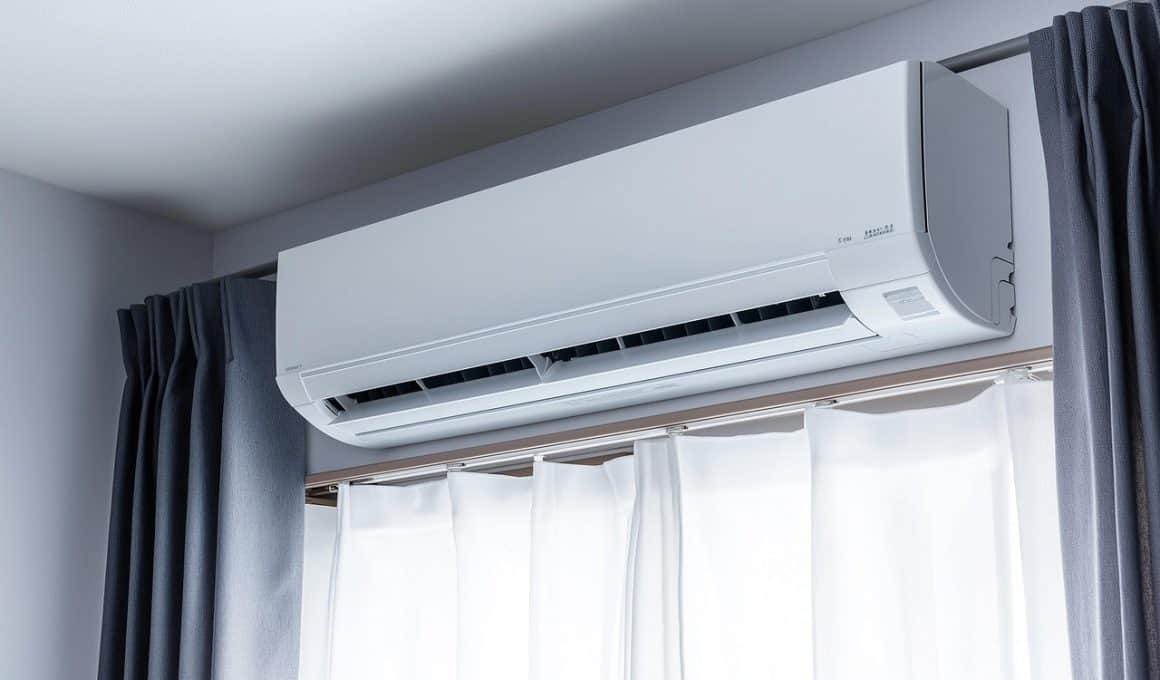
Air conditioners are a comfort lifeline on hot days, yet they can misbehave when you least expect it. Many faults crop up frequently, and a few hands on checks will reveal the cause in short order.
Small fixes such as cleaning parts or swapping a battery can restore normal operation fast, while other troubles call for a trained technician. Treat the unit with common sense, use basic tools, and stop work if a job turns risky or needs special certification.
1. Unit Not Cooling
When an air conditioner runs but fails to cool the space, the symptom is obvious and frustrating. A dirty air filter, blocked condenser, wrong thermostat setting, or low refrigerant level are frequent culprits linked to poor cooling output.
The filter often gets clogged with dust and hair, restricting cold air flow and making the system work harder than it should. The outdoor unit can be covered by leaves or debris, which chokes heat transfer and reduces cooling power.
Start with the simple checks that yield quick wins, like setting the thermostat to cooling mode and a lower temperature. Remove and inspect the air filter; wash or replace it if it is grimy, and repeat the phrase clean the filter when you clean other parts to keep a tidy habit.
Clear any debris from the condenser area and gently wash the fins with low pressure water if they are dirty, taking care not to bend them. If the unit still will not cool, low refrigerant or compressor faults may be present and a licensed technician should be called.
2. Frequent Cycling
Frequent on and off cycling, sometimes called short cycling, shortens the life of the system and wastes energy. Causes include an oversized unit that reaches set point too quickly, thermostat placement next to a heat source, clogged filter, or an electrical problem at the compressor.
The unit may also cycle rapidly when it senses temperature swings caused by sun on a wall or a drafty window, giving the system mixed signals. Rapid cycling often leads to poor humidity control and uneven comfort in the living space.
First try swapping the thermostat batteries and moving portable heat sources away from the thermostat location to get a steadier reading. Replace a dirty filter and confirm all vents are open and not blocked by furniture or curtains, because restricted flow leads to uneven temperature and short run times.
If the problem persists, have system sizing and refrigerant checked by a pro, since overcapacity and undercharge create repeated stops and starts. An electrician or HVAC service tech can test the compressor and controls to find hidden electrical or motor issues.
3. Weak Airflow

Weak airflow at the vents reduces comfort fast and hints at a restriction somewhere in the system. Common causes include a blocked filter, closed or blocked vents, crushed ductwork, or a failing blower motor that does not push enough air.
The symptom is a lack of steady movement at multiple supply grills rather than a single weak register, so start by comparing outputs across rooms. Low airflow often goes hand in hand with poor cooling and can lead to frozen coils if left unchecked.
Begin by replacing the air filter and opening every vent in the house to balance flow and spread cool air more evenly, and keep repeating clean the filter as an easy routine. Inspect visible duct runs for kinks, gaps, or insulation that has fallen away, and seal any obvious holes with tape rated for HVAC use or with mastic for a longer lasting fix.
If the blower makes weak or labored sounds, the motor capacitor may be failing or the blower wheel could be dirty, which a local pro can clean or replace. For blocked ducts within walls or attic runs, professional cleaning or rerouting may be the only practical path.
4. Strange Noises
Unusual sounds coming from an air conditioner should not be ignored, because noise often signals a mechanical issue that will worsen if left alone. Rattling can mean loose panels or debris in the outdoor fan, squealing suggests a worn belt or bearing, and banging points to a failing compressor or a loose fan blade.
For more serious issues like compressor failure or refrigerant leaks, it’s crucial to get in touch with an emergency heating and cooling service to avoid further damage and discomfort.
Hissing or bubbling noises could indicate a refrigerant leak and should be treated with caution, since refrigerant handling requires special certification and tools. The tone and timing of a noise often guide a simple diagnosis before any part is removed.
Tighten loose screws on access panels and check fan blades for cracks or stones lodged in the housing to silence initial rattles and clicks. Lubricate motor bearings if the design permits and replace worn belts with parts that match the original measurements and speed ratings.
For any noise that points to the compressor or to refrigerant movement inside lines, switch the system off and call a licensed HVAC service, because working on high pressure lines demands proper training. Keeping a log of when noises occur, such as startup or shutdown, helps the technician trace intermittent faults more quickly.
5. Water Leaks Or Excessive Drip
Water around an indoor unit or pooling near the outdoor unit signals a drainage fault or a frozen coil that melts and overflows. A clogged condensate drain line is a common issue and can be cleared by flushing with plain white vinegar or by using a wet vac on the access port to pull the clog free.
A cracked or rusted drain pan will leak even after the line is clear and should be replaced to stop ongoing damage to flooring. Frozen coils form when airflow is low or refrigerant is wrong, and once thawed the melt can produce a short lived flood.
Start with the drain line because it is often the least invasive fix and the one that returns normal operation quickly when cleared, and repeat the habit of flushing the drain annually to prevent repeat stoppages. Check the drip pan for holes and swap it out if corrosion has created leaks, and while at it test the condensate pump if your setup uses one.
Restore normal airflow by changing a dirty filter or clearing blocked vents so the coil will not freeze again during run cycles. If the coil keeps freezing or the drain clogs repeatedly, a service call will find root causes such as refrigerant imbalance or poor installation routing that need professional repair.