





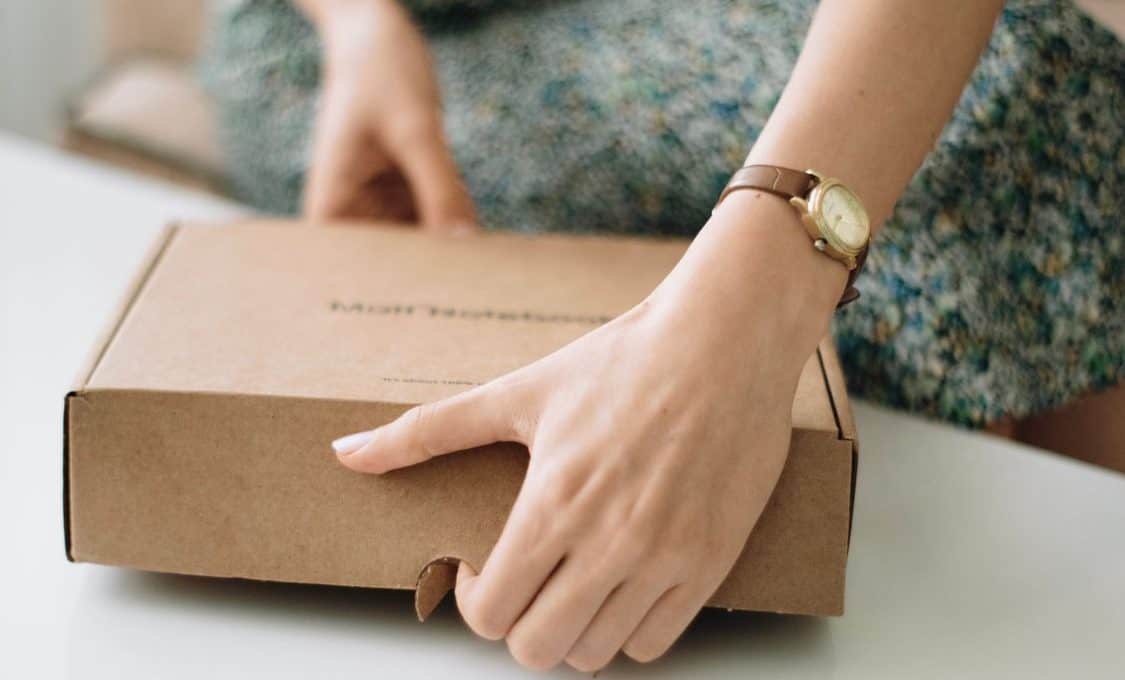
A peer-reviewed study published in the Journal of Business Research examines unboxing as a consumption practice, treating the act of opening packaging as a ritual moment in its own right rather than a disposable step before the “real” product experience begins. The research reframes packaging as part of the product, not just protection wrapped around it.
That academic framing lines up with what social platforms have shown anecdotally for years: filmed unboxings can carry as much brand signal as the product itself, and a forgettable box undercuts that entire moment before a customer has even used what’s inside.
Packaging as ritual, not just container
The study’s core argument is that unboxing functions as a transition, a customer moving from anticipation to ownership, and packaging shapes how that transition feels in the moment it happens. A plain, unbranded box turns that moment into a non-event. A considered one extends the anticipation the purchase already created.
For brands competing in categories where the product itself is hard to differentiate on the shelf, that transition moment is one of the few remaining places to make an impression before the customer has even used the item they bought. Australian small businesses selling direct to consumers, particularly through online channels where there’s no physical retail environment to build atmosphere around, are leaning on packaging to do work a shopfront used to do. Businesses building custom brand packaging Australia-wide are responding to exactly this shift, treating the box as the only physical touchpoint many customers will ever get with the brand itself.
Why local brands are treating the box as part of the product
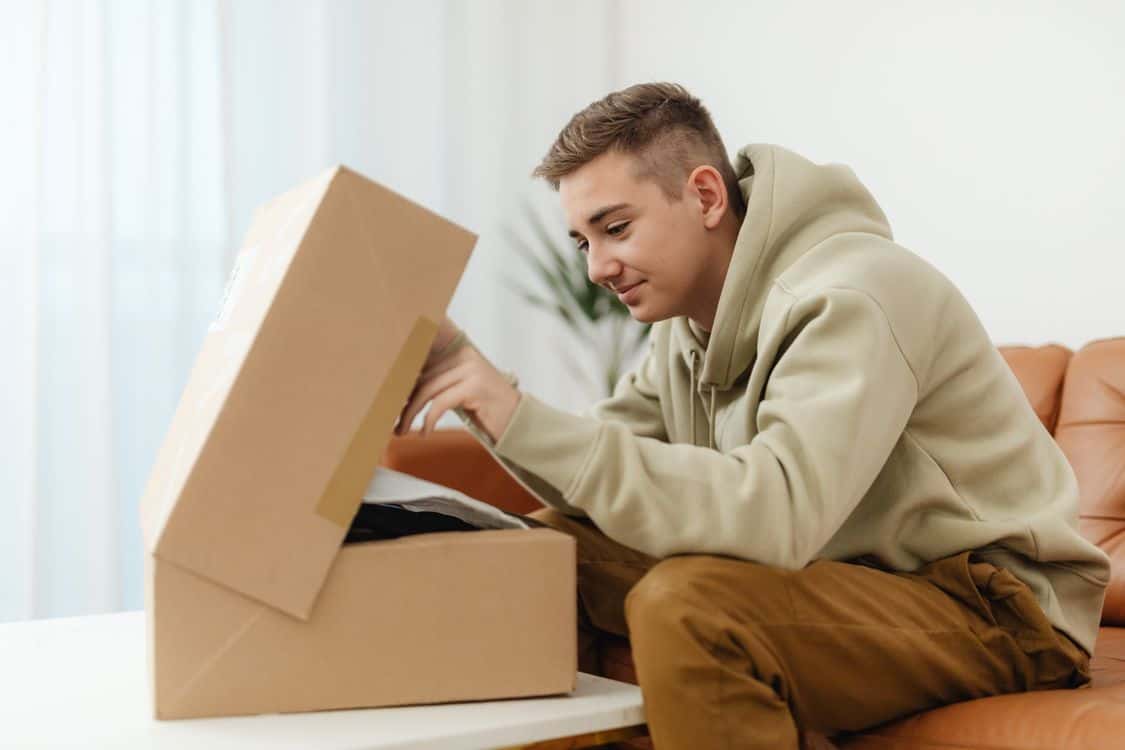
That’s a different calculation than it was a decade ago, when packaging was mostly judged on whether it protected the contents in transit and little else beyond that basic function.
Businesses that made the shift early are now the ones setting the bar other local sellers feel pressure to match, particularly in categories like food, cosmetics and gifting where the parcel itself doubles as marketing material.
Where the ritual framing breaks down in practice
Not every product category benefits equally from an elaborate unboxing moment. A bulk industrial order doesn’t need the same treatment as a direct-to-consumer gift box does. The research is useful for identifying when the ritual matters, not for suggesting every parcel needs theatrical packaging regardless of context.
What the study does establish is that packaging decisions carry more weight in the customer relationship than functional protection alone would suggest, a finding that gives commercial weight to design choices that used to be treated as a cosmetic afterthought by most retailers.
It also gives marketing teams a research-backed argument for a packaging budget line that previously had to be justified purely on protection and shipping cost. Framing the box as a documented part of the customer relationship, rather than an operational expense, changes how that conversation goes internally.
Brands that have already made this shift report that customers reference the packaging itself in reviews and social posts almost as often as the product, a pattern the research helps explain rather than merely describe after the fact.
None of this means every business needs an elaborate packaging redesign immediately. It means the decision now has an academic basis behind it, which is different footing than the mostly instinctive design choices packaging teams were making a decade ago before this kind of research existed.
It also gives smaller brands a reason to prioritise packaging spend earlier in their growth, rather than treating it as something to upgrade only once revenue justifies a rebrand, since the ritual effect the study describes applies just as much to a first-time customer as a loyal one.