




Austin’s continued population and housing growth expands the long-term customer base for home-service businesses. Westlake sits inside that broader growth story even when chamber membership itself is not the metric being measured.
West Austin sits inside that broader regional economy, so city and county housing data can help explain why roofers, remodelers, landscapers, and other service companies continue to value visibility in established neighborhoods such as Westlake.
The Regional Growth Numbers Behind Home-Service Demand
The City of Austin crossed a symbolic threshold in 2025, surpassing one million residents within its city limits for the first time in its 187-year history. That milestone came from a 4,025-resident increase between July 2024 and July 2025, a 0.4-percent year-over-year gain that city demographers attributed in part to job growth outperforming expectations.
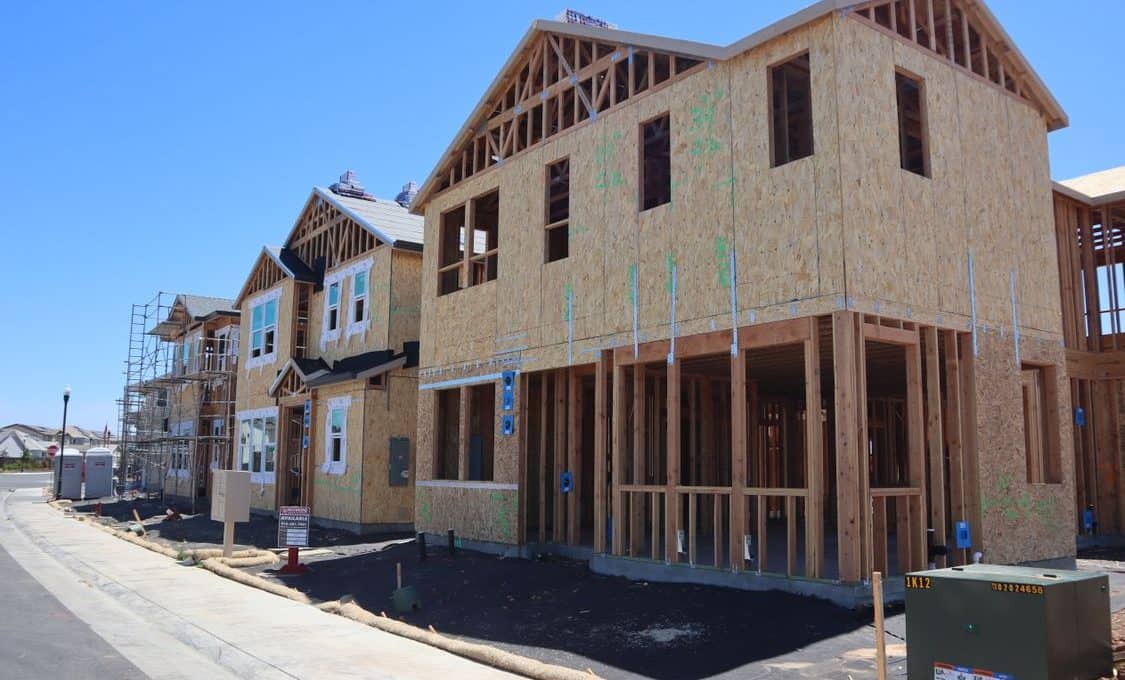
The housing side of that growth matters more directly to home services. Between July 2024 and July 2025, Travis County added 16,197 housing units, a 2.4-percent increase that ranked the county seventh nationally for housing stock growth.
City Demographer Lila Valencia pointed to housing costs falling from their pandemic-era peaks as a factor helping the region both retain existing residents and attract new ones. More people, more housing units. That combination expands the customer base for contractors, roofers, landscapers, and other home-service businesses operating in the area.
A seventh-place national ranking for housing stock growth is a real marker for a county that wasn’t adding units at that pace a decade ago. It points to sustained construction activity that ripples into every trade connected to residential building, from framing and electrical work through to roofing and exterior finishes.
That growth is not evenly distributed across the metro. West Austin has more established housing than many fast-growing suburbs, so its service demand comes from a mix of renovation, maintenance, replacement, and selective new construction rather than subdivision growth alone.
Why Local Business Organizations Still Matter in an Established Market
A chamber of commerce can give a service company local visibility, networking, and a directory presence. Those benefits do not depend on proving that the chamber itself is growing.
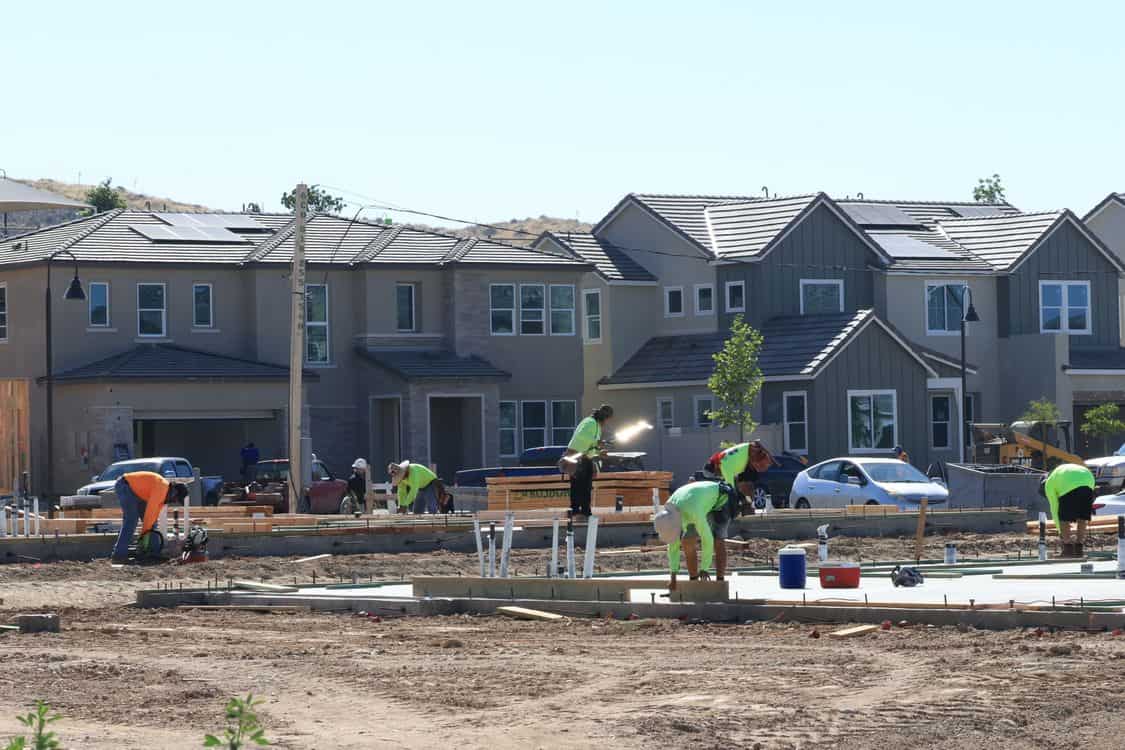
A business organization centered on an affluent, established residential area like Westlake sits at an unusual intersection. It serves the legacy homeowner base in older, larger homes that increasingly need major system replacements, and the newer arrivals building or renovating properties to hill country standards.
For a roofer or other home-service company, chamber membership can function as one local-presence signal alongside reviews, insurance, manufacturer credentials, references, and permit history.
National research on small business sentiment offers a useful, if broader, comparison. The U.S. Chamber of Commerce’s small business tracking has shown owners citing economic conditions and investment plans as top concerns even amid growth, which says something about how closely membership organizations track what local operators are seeing in their own market.
None of that requires treating a chamber roster as an economic dataset. The housing numbers themselves are enough to show that the Austin region continues to create future maintenance and replacement demand.
The Home-Service Sector’s Place in a Growing Market
Roofing sits at the center of this dynamic in a market like Westlake. The area’s housing stock is older than much of fast-growing Austin overall, with many homes now decades past their original roof installation. That mix of established and newer housing keeps Austin roofing companies connected to both maintenance demand and future replacement cycles.
Combine that aging inventory with continued population growth, new construction activity, and Central Texas’ well-documented exposure to hail and severe storms, and you get sustained demand for roofing and related exterior services regardless of broader housing market cycles. That’s the kind of steady, structural demand that tends to show up first in local business membership trends, before it shows up in broader economic statistics.
Local business organizations can benefit from that activity, but the relationship should be framed as a reason businesses participate, not as proof of undocumented membership growth.
That growth might not hold at its current pace; it depends on broader housing affordability trends across Central Texas. Right now, though, the fundamentals supporting home-service demand in West Austin are intact.
For contractors deciding where to build relationships, West Austin combines established housing, high property values, and exposure to Central Texas weather. Those fundamentals can support steady home-service demand.