





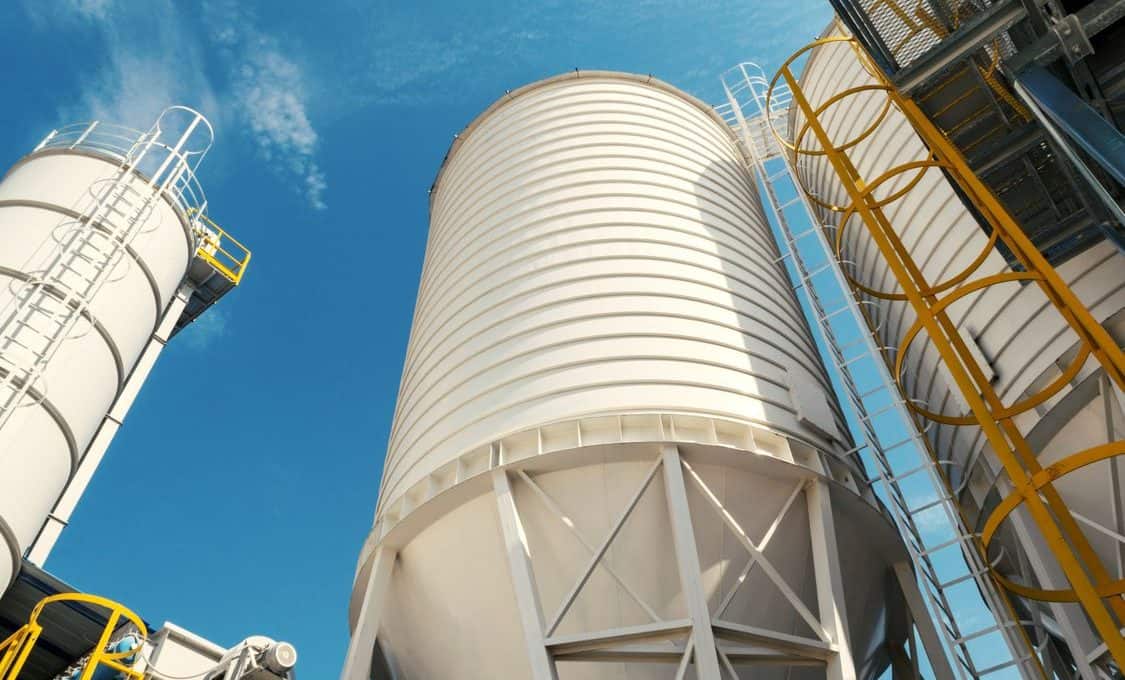
Saskatchewan’s highways ministry put a practical storage problem to market in 2026: provide a steel hopper bin, its supporting structure and the foundation for a new road-salt silo. The tender called for one complete unit and divided the work into phased completion dates in November and December.
That scope is more revealing than a request for a steel cylinder alone. It treats the bin, support frame and civil base as a connected system. The official competition describes a steel hopper bin package rather than an isolated vessel.
Road salt is difficult to store and discharge
Salt attracts moisture, can cake into hard masses and creates a persistent corrosion environment. A silo that merely holds the specified volume may still perform poorly if water enters, material bridges above the outlet or accumulated salt attacks exposed steel. Roof seals, access points, fasteners, coatings and drainage all deserve attention.
Hopper geometry is equally important. The outlet angle and opening must suit the material’s flow behavior and the required discharge rate. If the design promotes stagnant zones, crews may face unreliable loading or unsafe attempts to break up compacted material. The receiving conveyor or truck-loading arrangement should therefore be considered at the same time as the vessel.
The foundation belongs in the storage design
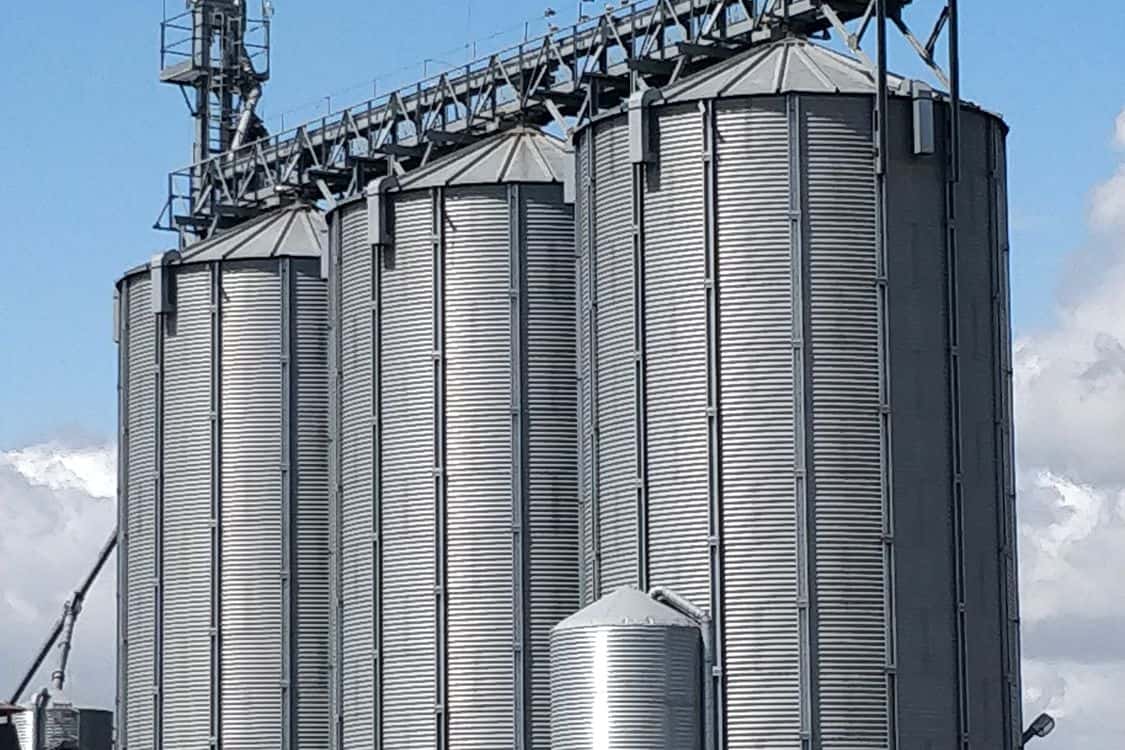
A filled silo concentrates substantial vertical and lateral loads through its support structure. Wind, snow, eccentric discharge and vehicle interaction can add to those forces. Coordinating the steelwork and foundation under one project scope helps keep anchor layout, load assumptions and erection tolerances aligned.
The Saskatchewan tender is a useful example because its headline is modest while its engineering lesson is broad. A Steel Silo is not purchased successfully by capacity alone. Material behavior, corrosion protection, discharge equipment, structural support and foundation design determine whether the installation works reliably through repeated winter cycles.
Usable capacity also differs from geometric volume. The fill pattern, hopper transition, reserve space and operating method determine how much salt can be stored without overloading the structure or blocking equipment. Designers need a credible bulk-density range because wet or compacted material can impose different loads from dry, free-flowing salt.
Corrosion protection should account for both sides of the structure. Salt dust and moisture can attack interior surfaces, while snow, road spray and condensation affect the support frame and exterior. Coating selection, surface preparation and access for future inspection often matter more over the silo’s life than the initial appearance of the finish.
Operations should shape the access plan
Fill pipes, vents, level instruments and inspection openings need positions that support safe use without creating leak paths. Dust control may be needed during pneumatic filling or transfer. Maintenance access should allow crews to inspect critical areas without improvising work at height or entering a confined space unnecessarily.
Discharge equipment should match the way trucks or spreaders are loaded. Gate response, outlet size and any vibrator or flow-aid system need to provide controlled flow without damaging the structure. If bridging occurs, the operating procedure should rely on engineered flow aids rather than striking the shell or sending personnel into the vessel.
The procurement package should assign responsibility for interfaces. The silo supplier, foundation contractor, electrical installer and material-handling vendor may each control part of the finished system. Clear load data, anchor details, equipment dimensions and commissioning duties keep those boundaries from becoming gaps. That coordination is what turns a steel bin into dependable winter infrastructure.
Commissioning should use the actual stored material where practical. Filling and discharge tests can reveal leakage, poor flow, inaccurate level readings or control problems before winter demand peaks. The handover package should include operating limits, inspection intervals, coating repair guidance and procedures for safely clearing a blockage.
Lifecycle access is another useful bid criterion. Replaceable gates, serviceable actuators and reachable inspection points can reduce the time a facility remains unavailable. A slightly lower purchase price may not be a saving if routine maintenance requires specialized access equipment or extensive dismantling every season.