




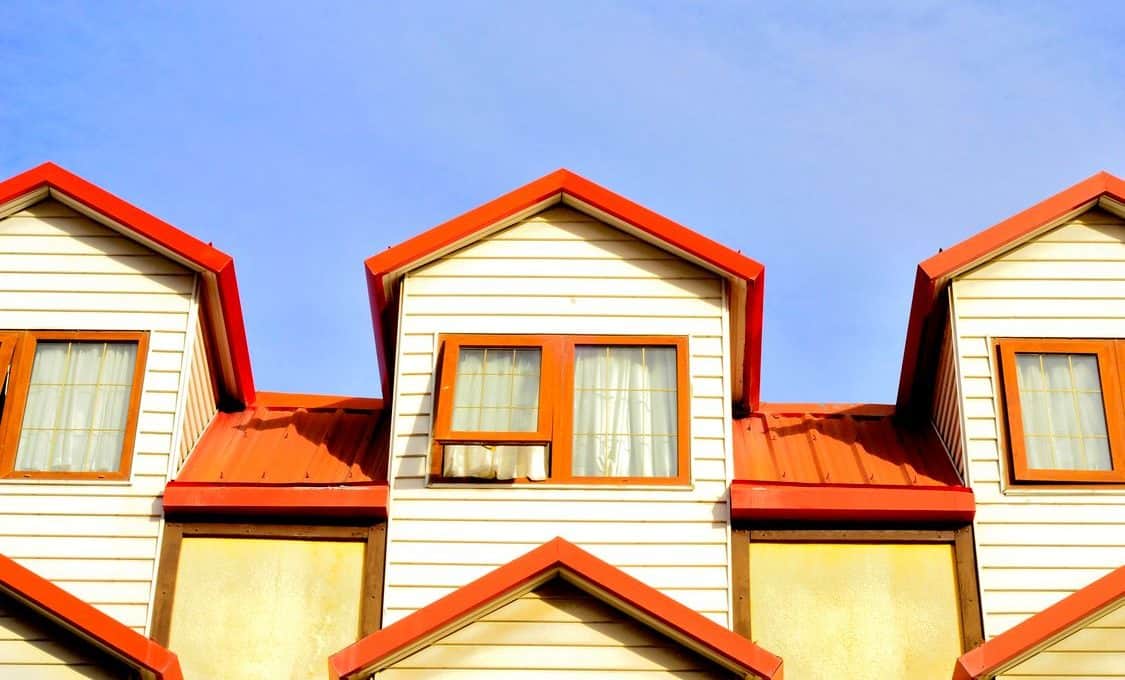
Copper has always been the luxury option on a roof. It shows up as bay-window caps, dormer accents, and standing-seam detailing on the kind of older Toronto home where the owner wants the roof to be part of the architecture, not just a barrier against rain. Over the past year, that luxury got noticeably more expensive, and not because anyone changed their mind about how it looks.
The cause sits upstream of any roofing yard, in a metals market that repriced sharply through 2025. For homeowners restoring a century home in the older core, the timing was awkward: just as heritage-sympathetic detailing came back into fashion, the material to do it well got dearer.
The tariff escalation behind the price
The broader metals complex moved together. The U.S. raised Section 232 duties to 50% on June 4, 2025, and because Canadian metal pricing tracks the same continental demand, replacement costs here drifted upward even where local demand was flat.
Copper sits at the top of that pyramid. It is a niche material with a thin supply chain, priced as a global commodity, so when the whole metals environment gets pricier and more uncertain, the premium products feel it first and most. There is no domestic substitute that insulates a copper buyer from the global price.
What it means for a decorative install
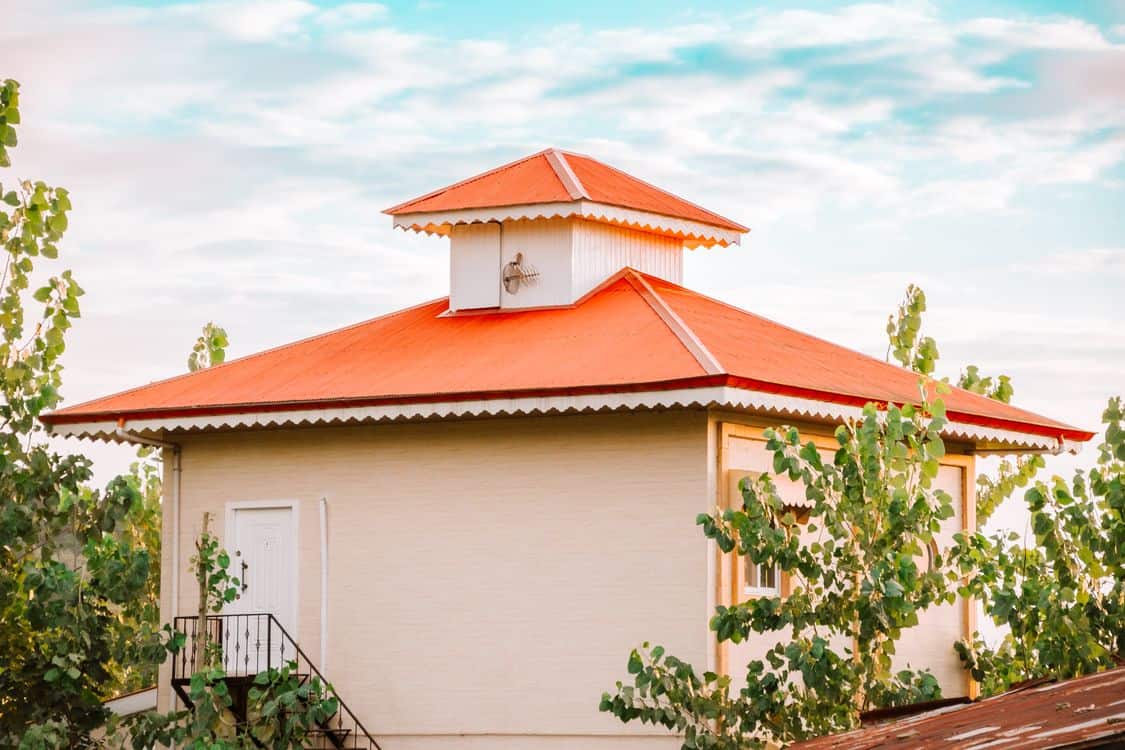
A full copper roof was always a rare request in the GTA, reserved for landmark homes and serious restorations. The far more common job is copper as an accent, where a few hundred dollars of metal turns an ordinary re-roof into something that reads as custom from the street.
Those accents are still affordable relative to the whole project, but the contractor’s material line for them has climbed, and lead times on specialty copper trim have gotten less predictable. A homeowner who priced a copper bay-window cap two years ago and assumed the number would hold may be surprised.
Because copper detailing is as much craft as material, the installer matters as much as the metal. Soldered seams, proper expansion allowance, and clean transitions to the main roof are not things every crew does well, and a botched copper accent is both expensive and conspicuous, so this is work to hand to a proven specialist rather than the lowest bidder.
How homeowners are adapting
Some are substituting. Pre-finished steel and aluminum now come in finishes that read as aged or bright copper from the sidewalk, at a fraction of the metal cost, and they carry their own long warranties. For a homeowner chasing the look rather than the literal metal, it is a defensible trade.
Others are sticking with the real thing on the visible details and accepting the premium, treating it as part of the home’s character and a feature that will patina beautifully over decades. Copper is, after all, one of the few roofing materials that arguably looks better as it ages.
The case for deciding deliberately
The one approach that tends to disappoint is splitting the difference without a plan: ordering a little real copper, running short mid-job, and patching with a lookalike that weathers differently. The mismatch shows.
So the decision now starts with a frank conversation about where the metal budget actually goes, and what the homeowner most wants from it. Whether the answer is genuine copper on the prominent details or a convincing substitute across the board, the result is better when it is chosen up front rather than discovered when the invoice arrives.