





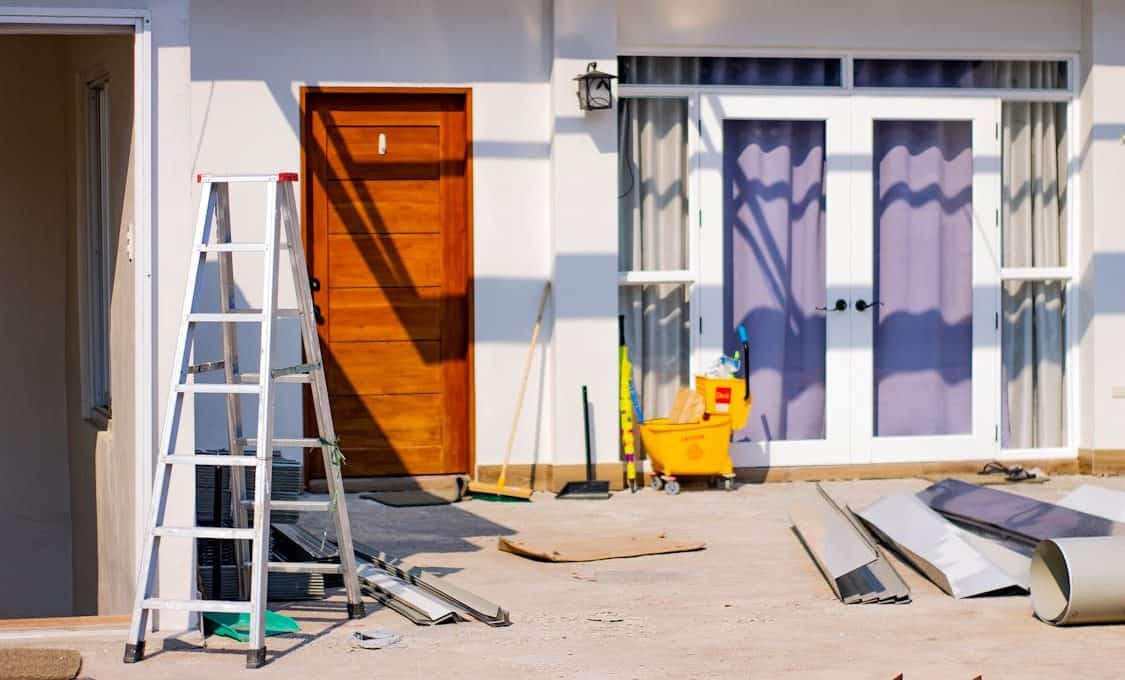
Drive through Boroondara, Stonnington or the Mornington Peninsula on a weekday and the sound is unmistakable: nail guns, circular saws, skip bins filling up. Across Melbourne’s established suburbs, a quiet shift has taken hold. People are staying put and rebuilding what they already own.
It is not a hunch. The money tells the story, and the money has moved decisively toward renovation over the past few years.
The Numbers Behind the Renovation Surge
Analysis from KPMG put hard figures to what tradespeople have felt on the ground. Renovation spending climbed from 34.2 per cent of total residential construction spend in 2018-19 to 40 per cent by 2023-24.
To put that another way, for every dollar going into Australian residential building, roughly forty cents is now spent improving a home that already exists rather than adding a new one. Over the same window, per-capita spending on new private residential construction fell to its lowest level since the late 1980s.
The Melbourne fingerprint on this trend is striking. When KPMG ranked the country’s biggest renovation markets, Boroondara, the Mornington Peninsula and Stonnington all landed in the national top five by total renovation spend.
These are not coincidental locations. They are precisely the established, high-amenity suburbs where the housing is worth keeping, the blocks are desirable, and moving somewhere comparable would cost a fortune in stamp duty alone.
What Is Actually Driving the Decision
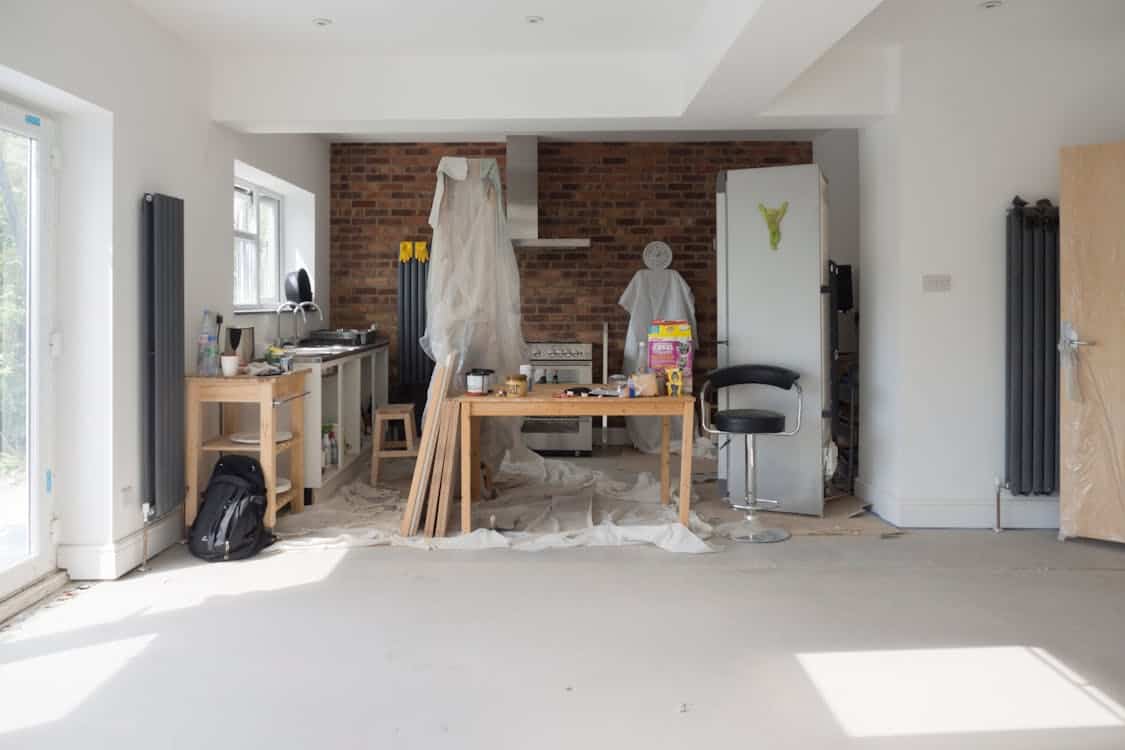
Several forces are pushing in the same direction at once. The first is simple arithmetic. Selling and buying again means agent fees, stamp duty and moving costs that can swallow well over a hundred thousand dollars before you have gained a single extra bedroom.
The second is supply. With established homes in sought-after suburbs scarce and competitive, many families have concluded that the home they want is the one they already live in, just reconfigured. A wall removed here, a light-filled extension there.
The third is lifestyle. The way people use their homes has changed, and older floor plans rarely keep up. Closed-off kitchens, dark rear rooms and a lack of connection to the backyard are exactly the things a thoughtful renovation fixes.
This is the territory where Melbournes top home renovation company earns its place, because turning a tired period home into something genuinely modern is harder than building from scratch. You are working with existing structure, existing quirks, and the constraints of a home people often keep living in during the build.
Why Established-Home Renovation Is Its Own Skill
Renovating an existing home is not a watered-down version of new construction. In many ways it is more demanding, because you cannot fully predict what is behind a wall until you open it up.
Older Melbourne homes hide their share of surprises: undersized footings, quirky additions from decades past, services that were never meant to carry a modern household. A builder who specialises in renovation prices for the unknown and plans around it, rather than discovering it mid-project and reaching for variations.
There is also the matter of marrying old and new. The best renovations make the join between the original home and the new work feel inevitable, as though it was always meant to be there. That is a design and craftsmanship problem, not just a construction one.
The renovation boom shows no sign of cooling, with national spending tipped to keep climbing through 2026. For Melbourne homeowners weighing up whether to move or improve, the smart money has already answered the question. The remaining decision is simply who you trust to do the work.